SEO title
What to Do After a Car Accident in Georgia: 10 Essential Steps
A car accident can happen when you least expect it. One moment you are driving to work, running errands, or traveling with your family, and the next you are dealing with damaged vehicles, unexpected injuries, and stressful conversations with insurance companies. Knowing what to do after a car accident can make a significant difference in protecting your health, finances, and legal rights.
If you have been involved in a car accident in Macon or anywhere in Georgia, it is important to remain calm and take the right steps. Even a minor collision can result in injuries that become noticeable hours or days later. Additionally, mistakes made immediately after an accident may complicate an insurance claim or personal injury case.
Fortunately, understanding the proper accident procedures can help you avoid unnecessary problems.
In this guide, we explain 10 important steps to take after a car accident in Georgia, how to document the incident, what to know about insurance claims, and when to contact a car accident attorney in Macon.
1. Check for Injuries and Call 911
The first thing to do after a car accident is check whether you or anyone else involved has been injured.
Your safety and the safety of your passengers should always come first. Check yourself, your passengers, and other people involved in the collision, but avoid moving anyone who may have a serious injury unless there is an immediate danger.
Call 911 if anyone is injured, if there is a dangerous situation, or if emergency assistance is needed.
Emergency responders can provide medical assistance and help secure the accident scene.
Even if the collision appears minor, do not automatically assume everyone is unharmed. Some injuries, including whiplash, concussions, and internal injuries, may not produce immediate symptoms.
If you experience pain, dizziness, headaches, confusion, or unusual discomfort, seek medical attention as soon as possible.
2. Move to a Safe Location
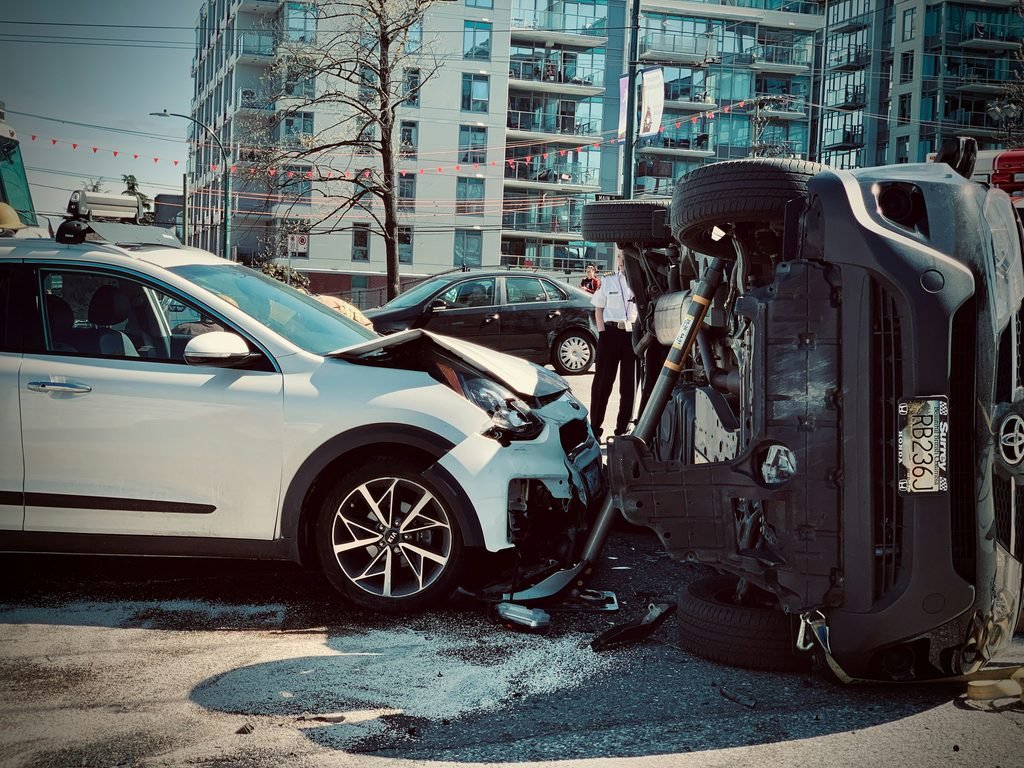
After checking for injuries, take reasonable steps to prevent another collision.
If your vehicle is blocking traffic and can be moved safely, move it away from the roadway. Turn on your hazard lights to warn approaching drivers.
If available, use reflective warning triangles to make the accident scene more visible.
However, never put yourself or others in danger while trying to move a vehicle or collect belongings.
If your vehicle cannot be moved, remain in a safe location and wait for emergency personnel when appropriate.
Georgia’s Department of Driver Services recommends protecting the accident area, notifying authorities, and caring for injured people.
Taking these precautions can help prevent additional injuries and make it easier for emergency responders to reach the scene.
3. Contact the Police and Report the Accident
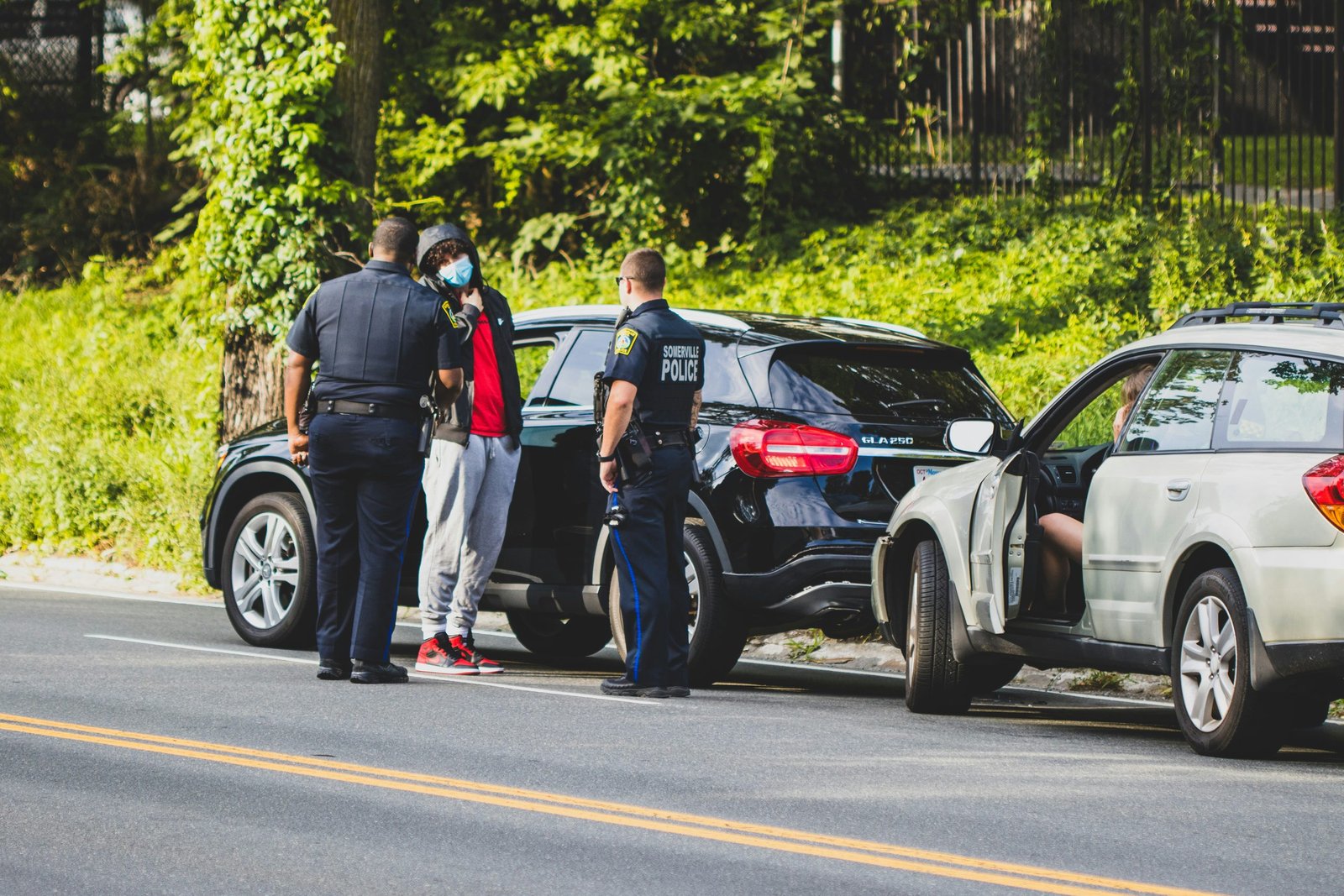
Reporting a car accident is an important step, particularly when someone is injured or the damage is significant.
Under Georgia law, drivers must immediately notify the appropriate law enforcement agency when an accident results in an injury, death, or apparent property damage of $500 or more.
For accidents within a municipality, notice should be given to the local police department. Outside a municipality, the county sheriff’s office or nearest Georgia State Patrol office should be notified.
When officers arrive, provide accurate information about what happened.
A police crash report may document:
- The date and location of the collision
- Names of the drivers involved
- Vehicle information
- Insurance details
- Witness information
- The officer’s observations
- Any reported injuries
Ask how you can obtain a copy of the accident report.
Although a police report can be valuable evidence, it does not automatically determine legal liability. Other evidence may also be necessary to establish who caused the collision.
4. Exchange Information With the Other Driver
After an accident, exchange relevant information with the other driver and any other involved parties.
Try to collect the following details:
- Full name and contact information
- Home address
- Driver’s license number
- Vehicle registration information
- License plate number
- Insurance company
- Insurance policy information
- Vehicle make, model, and color
If there are witnesses, ask for their names and contact information as well.
Remain polite and professional throughout the conversation.
Avoid arguing about the accident or making statements about who was responsible. You can cooperate with others without accepting blame or making assumptions about the cause of the collision.
Having accurate contact and insurance information can make the claims process easier later.
5. Take Photos and Collect Evidence
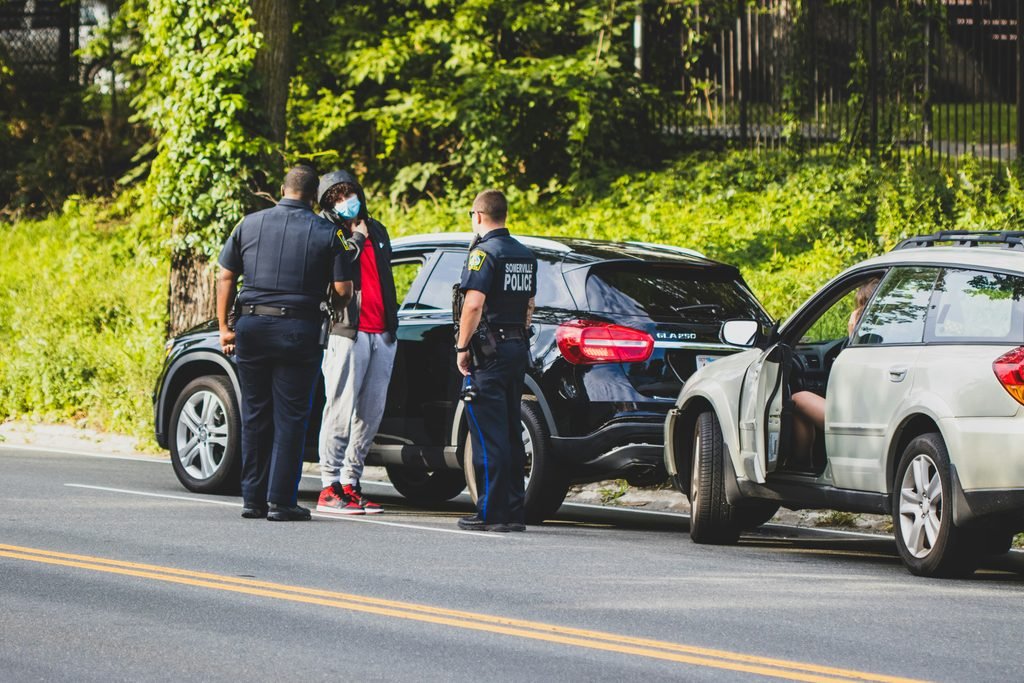
One of the most useful things you can do after a car accident is document the scene.
Photographs and videos may help explain how the collision happened and show the extent of the damage.
If it is safe, use your smartphone to capture:
- Damage to every involved vehicle
- The positions of vehicles after the collision
- Traffic signals and road signs
- Skid marks and debris
- Road and weather conditions
- Visible injuries
- Nearby intersections and landmarks
Try to take photographs from different angles.
You should also write down your recollection of the accident while the details are still fresh.
If someone witnessed the collision, ask whether they are willing to provide a statement.
Preserve any available dashcam footage, surveillance footage information, and other relevant records.
Remember that evidence can become difficult to obtain as time passes. Early documentation may help protect your interests if questions about the accident arise later.
6. Seek Medical Attention Even If You Feel Fine
After a collision, adrenaline and shock can temporarily reduce your awareness of pain.
As a result, some accident victims do not recognize their injuries until several hours or days later.
Common delayed accident injuries include:
- Whiplash and neck injuries
- Back pain
- Concussions
- Soft tissue injuries
- Headaches
- Internal injuries
Seeking medical attention promptly allows healthcare professionals to evaluate your condition and recommend appropriate treatment.
Follow your doctor’s instructions and attend recommended follow-up appointments.
Keep copies of medical bills, prescriptions, diagnostic reports, treatment records, and rehabilitation expenses.
These documents may become important if you later pursue compensation for accident-related injuries.
Most importantly, do not ignore symptoms simply because your vehicle has only minor visible damage.
7. Notify Your Insurance Company
Another important step after a car accident is notifying your insurance company.
Most auto insurance policies require policyholders to report accidents within a specified period. Review your policy to understand the applicable reporting requirements.
When contacting your insurer, provide accurate information about the date, time, location, and circumstances of the accident.
You may also need to provide photographs, police report information, and other supporting documents.
However, be careful when discussing injuries or making statements about fault.
Avoid guessing about details you do not remember clearly. Do not exaggerate your injuries or minimize symptoms.
If an insurance adjuster requests a recorded statement or asks you to sign documents, consider seeking legal advice before agreeing, particularly when you have suffered injuries.
Remember that insurance companies evaluate claims according to policy terms and applicable law. Their initial settlement offers may not always reflect the full extent of your losses.
8. Understand Your Rights Under Georgia Car Accident Laws
If you are involved in an accident in Georgia, understanding the state’s personal injury laws can help you make informed decisions.
Two important legal issues are comparative negligence and the statute of limitations.
Georgia’s Comparative Negligence Rule
Georgia follows a modified comparative negligence system under O.C.G.A. § 51-12-33.
This means an injured person may generally recover damages if their percentage of fault is less than 50%.
However, the amount of compensation may be reduced according to their share of responsibility.
For example, imagine that your total accident-related damages are $100,000. If you are found 20% responsible for the collision, your potential recovery may be reduced to $80,000.
If you are found 50% or more responsible, you generally cannot recover damages under this rule.
This is one reason why collecting evidence and understanding how fault is determined can be important after an accident.
Georgia’s Statute of Limitations
Under O.C.G.A. § 9-3-33, many personal injury lawsuits in Georgia must generally be filed within two years after the right of action accrues.
However, exceptions and special circumstances may change the applicable deadline.
Claims involving government entities may also have additional notice requirements and shorter deadlines.
Waiting too long to investigate an accident or seek legal advice may affect your ability to pursue compensation.
If you were injured in a collision in Macon, consider speaking with a qualified Georgia personal injury attorney about the deadlines that apply to your circumstances.
9. Be Careful Before Accepting an Insurance Settlement
After an accident, an insurance company may contact you with a settlement offer.
Although receiving money quickly may seem helpful, accepting an offer without understanding the full extent of your injuries can create problems.
For example, you may later discover that you need additional medical treatment, physical therapy, or time away from work.
An early settlement may not account for these future expenses.
Before accepting compensation or signing a release, consider:
- Whether all your injuries have been evaluated
- Whether your medical treatment is ongoing
- How much income you have lost
- Whether you may need future medical care
- Whether the offer accounts for your documented losses
- Whether accepting the settlement will release further claims
Once you sign a settlement agreement, you may give up the right to pursue additional compensation for the same claim.
For this reason, carefully review all settlement documents before making a final decision.
10. Contact a Car Accident Attorney in Macon, Georgia
If you suffered injuries, significant property damage, or financial losses after a collision, consulting an experienced car accident attorney may be helpful.
An attorney can review the circumstances of your accident and explain the legal options available under Georgia law.
Depending on your case, legal assistance may include:
- Investigating the accident
- Reviewing police reports and medical records
- Collecting witness statements
- Identifying potentially responsible parties
- Communicating with insurance companies
- Evaluating documented financial losses
- Negotiating a potential settlement
- Representing you in court when appropriate
Not every accident requires a lawsuit or legal representation. However, if you have serious injuries, disputed liability, or an insurance claim that is difficult to resolve, professional legal guidance may help you understand your options.
If your accident happened in Macon, speaking with a qualified Macon car accident attorney can help you learn more about the claims process and relevant Georgia laws.
Common Mistakes to Avoid After a Car Accident
Knowing what not to do is just as important as knowing what steps to take.
Here are several common mistakes accident victims should avoid.
Leaving the accident scene: Georgia law requires drivers to stop and comply with applicable accident duties. Never leave an accident scene unlawfully.
Ignoring medical symptoms: Delaying medical evaluation may affect your health and make it harder to document accident-related injuries.
Failing to collect evidence: Photographs, witness details, and police reports may help establish important facts.
Admitting fault unnecessarily: Avoid apologizing in a way that could be interpreted as accepting legal responsibility. Stick to factual information.
Posting accident details on social media: Public statements, photographs, or comments may be used in disputes about an insurance claim.
Accepting a quick settlement: Do not sign a settlement release without understanding its terms and the potential effect on future claims.
Avoiding these mistakes can help you protect your health and make better decisions throughout the recovery process.
Frequently Asked Questions About What to Do After a Car Accident
1. What Is the First Thing to Do After a Car Accident?
Check for injuries and call 911 if emergency assistance is needed. Move to a safe location if possible, turn on your hazard lights, and take reasonable steps to prevent further accidents.
2. Do I Have to Call the Police After a Car Accident in Georgia?
Georgia law requires immediate notification of the appropriate law enforcement agency when an accident results in injury, death, or apparent property damage of $500 or more.
Calling 911 is appropriate when emergency assistance is needed.
3. Should I Go to the Hospital After a Minor Car Accident?
If you have pain, unusual symptoms, or concerns about an injury, seek medical evaluation. Some injuries may not become noticeable immediately after a collision.
4. How Long Do I Have to File a Car Accident Injury Claim in Georgia?
Many Georgia personal injury lawsuits are subject to a general two-year statute of limitations under O.C.G.A. § 9-3-33. However, exceptions and additional requirements may apply.
5. Can I File a Claim If I Was Partly at Fault?
Possibly. Georgia generally allows recovery when your percentage of fault is less than 50%, with compensation reduced according to your share of responsibility.
6. What Information Should I Collect at an Accident Scene?
Collect names, addresses, driver’s license information, vehicle registration details, insurance information, license plate numbers, and witness contact details.
Photographs and videos may also help document the collision.
7. Should I Talk to the Other Driver’s Insurance Company?
You may need to provide relevant information, but be careful about recorded statements, settlement offers, and documents that could affect your rights. Consider obtaining legal guidance if you were injured.
8. When Should I Hire a Car Accident Attorney in Macon?
Consider contacting an attorney when you have serious injuries, disputed liability, substantial financial losses, or difficulty resolving an insurance claim.
Final Thoughts: Know What to Do After a Car Accident
A car accident can create unexpected challenges, but knowing the right steps can help you protect your health, preserve evidence, and understand your legal rights.
From contacting emergency services and reporting the collision to seeking medical treatment and documenting the damage, every step can play an important role in what happens next.
If you or someone you love has been injured in a car accident in Macon, Georgia, you do not have to navigate the legal process without understanding your options.
Consider speaking with a qualified car accident attorney in Macon to learn about your rights, possible compensation, and the next steps for your situation.
Take action today. Protect your rights, prioritize your recovery, and get the information you need after a car accident.
Legal Disclaimer: This article is provided for general informational and educational purposes only. It does not constitute legal advice or establish an attorney-client relationship. Laws and deadlines may vary depending on the circumstances. Consult a qualified Georgia attorney for advice about your specific case.